
Urban Mobility and Sustainability
Rochit Tako
Jan 28, 2026 • 5 min read
About Urban Transportation
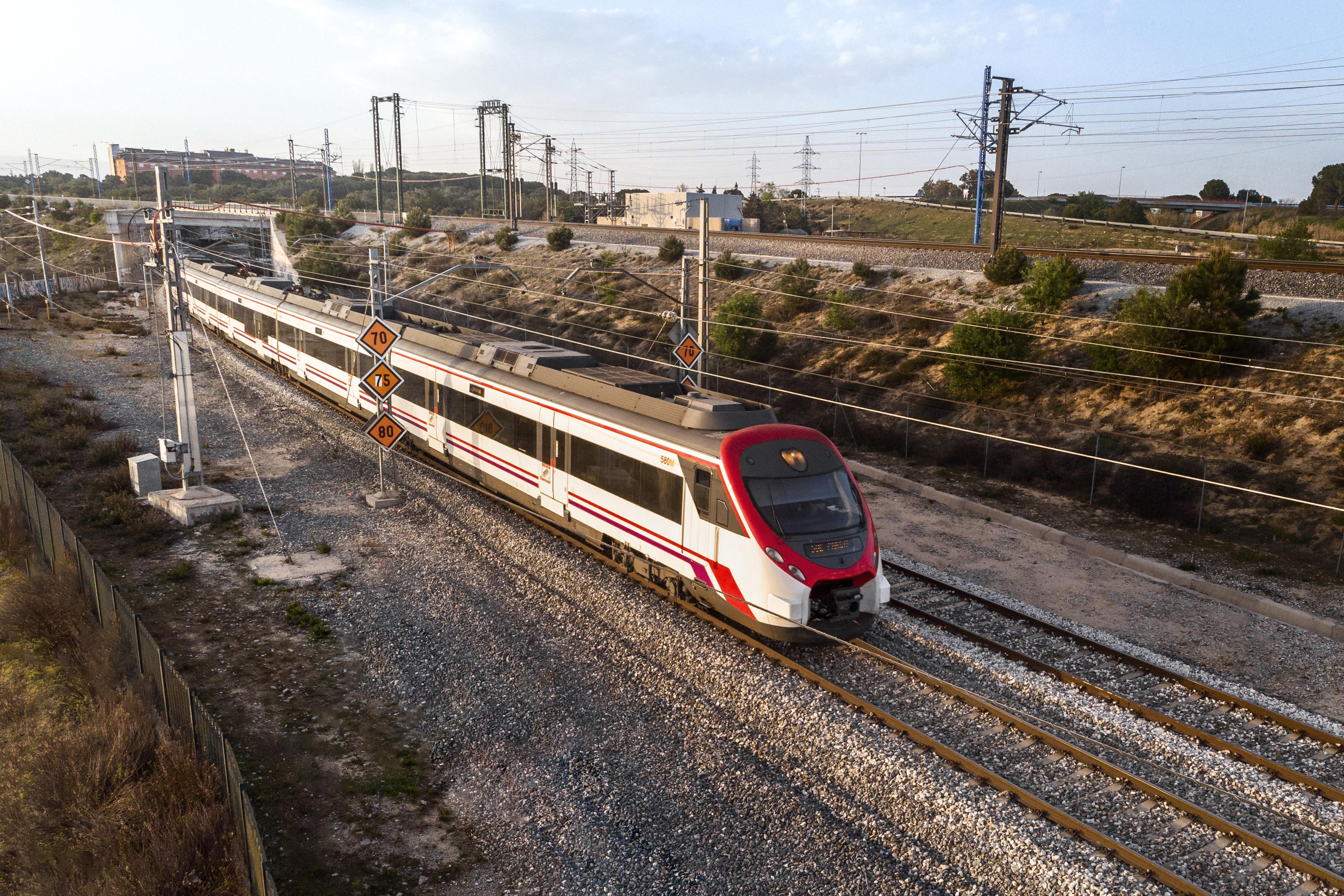
Urban transportation means the transportation of people and goods within cities using different transportation systems such as buses, trains, bicycles, bikes, and cars. A global increase in urban populations and cities is facing pollution (Banister, 2008).
Positive Impact of Modern Transportation
Modern transportation helps in reducing travelling time and improves quality of life. Electric vehicles, ridesharing, and bike-sharing schemes have helped to reduce carbon emissions and save fossil fuels (Peter Newman & Jeffrey kenworthy, 2015).
Negative Impact of Urban Transportation
Even though technology is getting more advanced day by day, transportation produces air pollution, noise pollution and an increase in energy consumption. Using fossil fuels in bikes and cars contributes to climate change, which has been negatively affecting social and environmental health (Peter Schiller, Elvind Bruun & Jeffrey Kenworthy, 2010).
How Transportation Innovation Promotes Sustainability
Urban transportation technologies help cities meet sustainability goals. For example, smart traffic systems, electric buses, and autonomous public transport reduce emissions while improving efficiency.
Why Invest in Sustainable Transportation?
Sustainable transportation is referred to as an electric vehicle because which improves air quality, reduces carbon, and enhances urban mobility. Cities which adopt low-carbon transport solutions are often those who face improved public health and economic benefits (Litman, 2021).
Interviews with Urban Transport Experts
Urban plan makers and engineers provide awareness about the challenges and opportunities of sustainable city transportation. Singapore’s smart traffic systems and Amsterdam’s cycling infrastructure are studied by Expert interviews which reveal successful case studies (Dimitris Pojani & Dominic Stead, 2015).
News & Updates on Transport Innovations
Keeping your electric mobility, autonomous vehicles, and urban mobility apps updated on highlighting the progress and adopting new technologies in major cities worldwide (Forum, 2022).
Community Stories & Successes
Carbon emissions and improved connectivity are done within the Communities by adopting bike-sharing programs. Many modern cities are using bicycles rather than cars, bikes or scooters to make themselves healthier and to make the city clean. The success of urban mobility initiatives has been played by the engagement of the citizens (Robert Cervero & Jun Murakami, 2010).
Conclusion
Important point of city transportation: new technology makes travelling easier and more reliable by cutting down pollution and improving life in the cities, but problems like old infrastructure, fairness, and people’s habits still exist. Investing green transport and getting people involved can make cities healthier, more efficient, and ready for climate challenges (Banister, 2008) (Litman, 2021).
References
- Banister, D. (2008). The sustainable Mobility Paradigm. Oxford: Elsevier.
- Dimitris Pojani & Dominic Stead. (2015). Sustainable Urban Transport in the Developing World: Beyond Megacities. Sustainability, 7784-7805.
- Forum, I. T. (2022). Transport Innovarion and Sustainability. Paris: OECD Publishing.
- Litman, T. (2021). Transportation and Environmental Policy: Planning for Sustainable Mobility. Victoria: Victoria Transport Policy Institute.
- Peter Newman & Jeffrey kenworthy. (2015). The End of Aautomobile Dependence. Washingtin, DC: Island Press.
- Peter Schiller, Elvind Bruun & Jeffrey Kenworthy. (2010). An Introduction to Sustainable Transportation: Policy, Planning, and Implementation. London: Earthscan.
- Robert Cervero & Jun Murakami. (2010). Effects of Built Environments on Vehicle Miles Traveled: Evidence from 370 US Urbanized Areas. Environment and Planning A: Economy and Space, 400-418.